Pakistan’s energy security is under fresh pressure as global tensions disrupt liquefied natural gas (LNG) supplies. In a critical development, Azerbaijan has offered immediate LNG support, providing a potential lifeline as the country grapples with shortages caused by the ongoing Middle East conflict.
Azerbaijan Offers LNG Supply to Pakistan
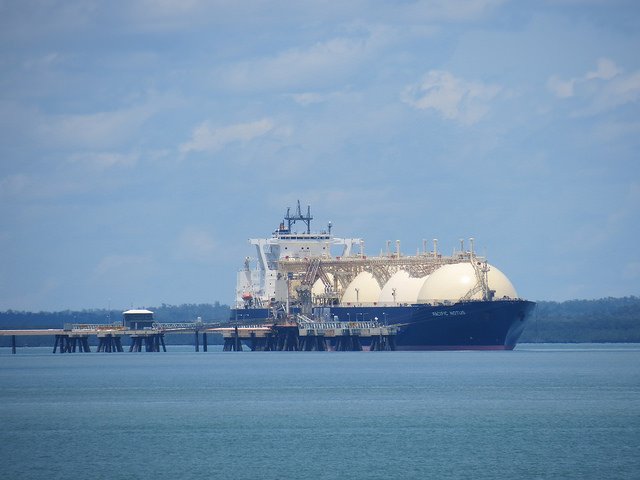
A major breakthrough comes from SOCAR, Azerbaijan’s state energy giant, which has confirmed readiness to supply LNG to Pakistan.
Under a 2025 framework agreement with Pakistan LNG Limited, SOCAR can deliver LNG cargoes through a fast-track procurement mechanism.
According to officials, SOCAR is prepared to act immediately once Pakistan submits a formal request, making it a crucial alternative supplier during the ongoing crisis.
LNG Imports from Qatar Halted
پاکستان کو بڑا دھچکا اس وقت لگا جب QatarEnergy سے LNG سپلائی متاثر ہوگئی۔
- چار LNG کارگو کی درآمد روک دی گئی
- وجہ: Strait of Hormuz کی بندش
- خطے میں جنگی صورتحال اور بحری کشیدگی
The closure of this critical shipping route has stranded multiple LNG shipments, disrupting Pakistan’s energy supply chain.
Hormuz Crisis & Global Energy Shock
The Strait of Hormuz is one of the world’s most vital oil and gas transit routes. Its closure amid escalating tensions involving the US, Israel, and Iran has triggered:
- LNG shipment delays
- Global price volatility
- Supply chain disruptions
Pakistan, heavily dependent on imported LNG, faces immediate fallout from these geopolitical risks.
Pakistan’s Growing Energy Shortfall
پاکستان کی توانائی کی صورتحال مسلسل دباؤ میں ہے:
- Domestic gas production declining
- LNG imports disrupted
- Power sector facing shortages
Currently, the Power Division requires around 400 mmcfd gas to sustain electricity generation and reduce load shedding. Without timely LNG imports, outages could intensify across the country.
Pakistan’s Efforts to Secure LNG Cargoes
Authorities, including Pakistan State Oil, are actively working to secure LNG cargoes.
Key developments:
- Pakistan requested 4 LNG cargoes from Qatar
- Around 8–10 vessels are currently stranded
- Imports remain suspended until regional stability returns
Federal Minister Ali Pervaiz Malik confirmed that Pakistan is trying to secure maximum available volumes once conditions improve.
Force Majeure & Supply Disruptions
Following an earlier attack on LNG infrastructure, QatarEnergy declared force majeure, halting supplies to Pakistan.
Since then:
- Regular LNG imports have been disrupted
- Energy planning has become uncertain
- Reliance on spot market purchases has increased
This has exposed Pakistan’s vulnerability to external supply shocks.
Azerbaijan: A Strategic Energy Partner?
Azerbaijan’s timely offer positions it as a potential long-term LNG partner for Pakistan.
Why SOCAR matters:
- Flexible supply mechanism
- Faster procurement under existing agreement
- Reduced reliance on Middle East routes
If Pakistan moves quickly, SOCAR could help stabilize short-term energy needs and reduce load shedding risks.
Impact on Pakistan’s Economy
Immediate Challenges:
- Rising energy shortages
- Increased electricity outages
- Pressure on industrial output
Economic Risks:
- Higher import costs due to spot LNG prices
- Strain on foreign exchange reserves
- Slower economic growth
Energy Security: The Way Forward
The ongoing crisis highlights the urgent need for Pakistan to rethink its energy strategy:
- Diversify LNG suppliers beyond Gulf region
- Build strategic gas reserves
- Invest in renewable energy sources
- Strengthen long-term energy agreements
Conclusion: A Defining Test for Pakistan’s Energy Policy
Pakistan’s LNG crisis underscores how global conflicts can directly impact domestic stability. While Azerbaijan’s offer brings hope, the situation remains fragile.
To navigate this بحران, Pakistan must act swiftly—securing alternative LNG supplies, managing demand, and accelerating energy reforms to ensure long-term energy security and economic stability.
The source of this news is Geo.tv