Global oil markets are once again on edge as crude prices jumped sharply following a bold statement from Donald Trump, who indicated he is unwilling to extend the Iran ceasefire. The development has intensified geopolitical tensions, disrupted key shipping routes, and raised serious concerns for energy-importing countries like Pakistan.
Oil Prices Jump Amid War Fears
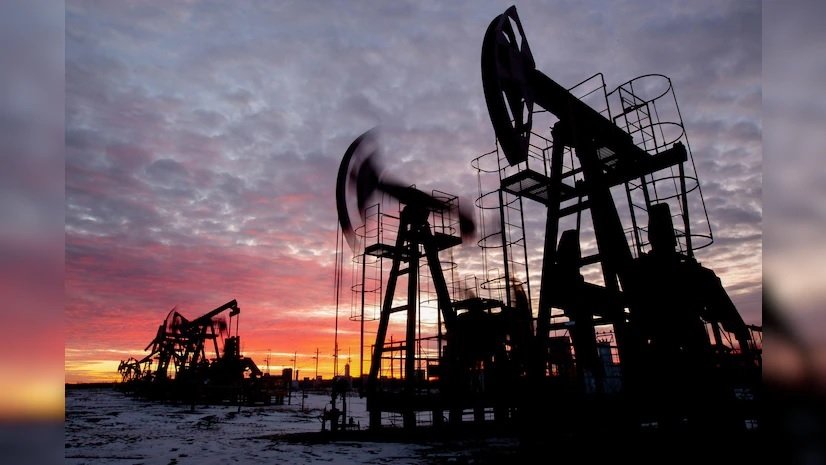
International oil benchmarks recorded a significant surge:
- Brent crude climbed nearly 5% to $99.78 per barrel
- WTI crude rose over 5% to $94.36 per barrel
The spike followed Trump’s warning that the US military is “ready to act” if peace talks with Iran fail. This has triggered panic in global energy markets, pushing prices close to the $100 mark.
Strait of Hormuz Blockade Disrupts Supply
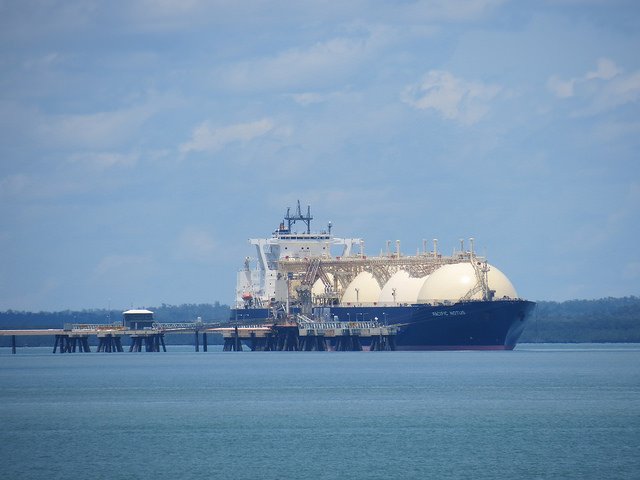
The situation has worsened due to disruptions in the Strait of Hormuz — a critical route for global energy supplies.
- Only 3 ships passed through in 24 hours
- Normally handles 20% of global oil & LNG trade
- Shipping activity remains largely halted
This bottleneck is creating a supply crunch, fueling price volatility and uncertainty across global markets.
Pakistan on High Alert Amid Energy Risks
Pakistan, heavily dependent on imported fuel, is particularly vulnerable to rising oil prices and supply disruptions.
Key concerns for Pakistan:
- Higher petrol and diesel prices
- Increased electricity generation costs
- Pressure on foreign exchange reserves
- Rising inflation and cost of living
With LNG imports already affected, the oil price surge adds another layer of economic strain.
Global Ripple Effects: Europe & US React
The crisis is not limited to South Asia. Major economies are also feeling the impact:
Europe:
- The European Union is preparing contingency plans for jet fuel shortages
- Germany is monitoring fuel supply despite stable refinery output
- Business confidence in Europe has dropped significantly
United States:
- Fuel prices have surged, boosting retail sales
- Policy debates intensify as Trump pushes for interest rate cuts
- Concerns grow over political influence on the Federal Reserve
Russia-Ukraine Factor Adds Complexity
The global energy market is also being influenced by developments in Eastern Europe:
- Volodymyr Zelenskyy signaled the possible reopening of the Druzhba pipeline
- روسيا may halt oil exports to Germany via Kazakhstan routes
- Ukrainian drone strikes targeted Russian oil facilities
These factors are adding further volatility to already unstable energy markets.
Oil Inventory Data in Focus
Market participants are closely watching US inventory reports:
- توقع: 1.8 million barrels decline in crude stocks
- Could signal tightening supply conditions
- May push oil prices even higher in coming days
پاکستان پر ممکنہ اثرات
یہ عالمی صورتحال پاکستان کے لیے ایک بڑا معاشی چیلنج بن سکتی ہے:
- مہنگائی میں اضافہ
- بجلی اور ایندھن کی قیمتوں میں مزید اضافہ
- درآمدی بل میں اضافہ
- روپے پر دباؤ
اگر صورتحال برقرار رہی تو پاکستان کو توانائی بحران اور معاشی دباؤ دونوں کا سامنا کرنا پڑ سکتا ہے۔
مستقبل کا منظرنامہ: کیا قیمتیں مزید بڑھیں گی؟
Analysts believe oil prices could remain volatile due to:
- استمرار geopolitical tensions
- Disruption in shipping routes
- Supply-demand imbalance
- Policy uncertainty in major economies
If the Iran conflict escalates further, crude prices may cross $100+ per barrel, intensifying global inflation.
Conclusion: A Critical Moment for Pakistan’s Economy
The latest oil price surge highlights how geopolitical tensions can directly impact Pakistan’s economic stability. With energy imports forming a major part of the country’s expenses, rising crude prices could strain fiscal planning and increase inflationary pressures.
Pakistan must now focus on:
- Energy diversification
- Strategic reserves
- Efficient fuel management
As global uncertainty grows, proactive economic and energy policies will be essential to protect Pakistan’s financial stability. The source of this news is Geo.tv