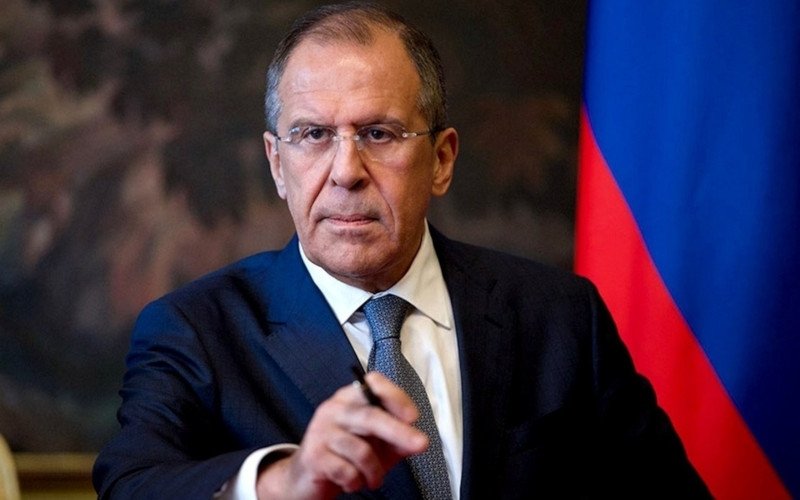
The corridors of Moscow’s power have been buzzing this week after Russian Foreign Minister Sergey Lavrov was notably absent from a key Security Council meeting chaired by President Vladimir Putin. The incident triggered widespread speculation about a potential reshuffle at the top of Russia’s foreign policy establishment — prompting the Kremlin to issue an urgent clarification.
Kremlin Denies Rumors of Lavrov’s Exit
Kremlin spokesperson Dmitry Peskov moved swiftly on Friday to quell rumors, insisting that Lavrov “continues to serve as foreign minister.” His remarks came amid growing chatter in local and international media after the veteran diplomat skipped a meeting where Putin discussed the possibility of resuming full-scale nuclear testing.
Adding to the intrigue, Lavrov is also not leading Russia’s delegation to the upcoming G20 Summit in Johannesburg. Instead, Deputy Chief of Staff Maxim Oreshkin has been appointed to head the mission — a decision that many analysts see as unusual, given Lavrov’s decades-long dominance in Russian diplomacy.
A Loyal Diplomat Under Scrutiny
Lavrov, 75, has been a central figure in Russian foreign policy for more than two decades, serving under Putin through multiple global crises — from the 2008 Georgia war and Crimea’s 2014 annexation to Moscow’s intervention in Syria and its ongoing war in Ukraine. Known for his blunt and combative tone, Lavrov has long embodied the Kremlin’s defiant posture toward the West.
However, his recent absence — coupled with reports of failed diplomatic efforts to arrange a Putin-Trump summit in Budapest — has fueled speculation of internal disagreements. Sources suggest that U.S. sanctions and Moscow’s rigid stance on Ukraine may have contributed to diplomatic tensions behind the scenes.
Putin’s Pattern of Power Management
Despite the whispers, political insiders believe Lavrov’s position remains secure for now. Under Putin’s leadership, loyalty and continuity often outweigh public accountability. When former Defense Minister Sergei Shoigu was removed last year amid military setbacks, he was reassigned to a senior Security Council role rather than dismissed outright.
In that light, Lavrov’s absence may reflect temporary strategic adjustments rather than a dramatic shake-up. As one Moscow observer noted, “In Putin’s Russia, even when the deck is reshuffled — the cards rarely change.”