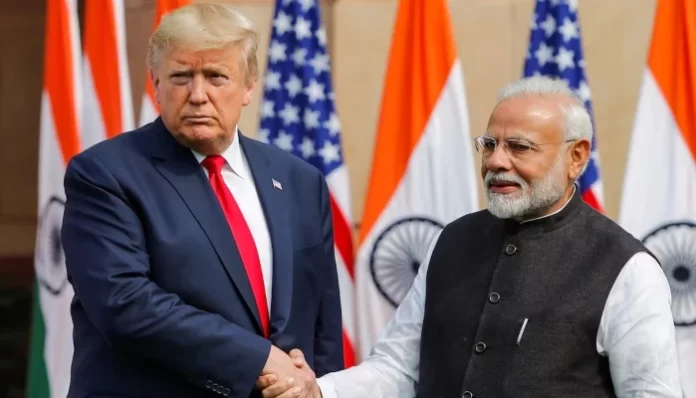
Indian Prime Minister Narendra Modi is set to participate in the upcoming G20 Summit in South Africa, even as the event faces controversy following US President Donald Trump’s boycott. The summit, scheduled for November 22–23 in Johannesburg, marks the first G20 gathering hosted on African soil.
Trump Boycotts Summit Over Allegations Against South Africa
Washington has confirmed that President Trump will not attend the summit. His administration claims South Africa—once under apartheid rule until 1994—discriminates against white citizens. The US has also opposed the summit’s core agenda, which focuses on global solidarity, climate resilience, clean energy transition and easing debt pressure on developing countries.
This decision adds to rising tensions, especially after reports suggested Modi recently skipped two multilateral events where Trump was present: the Asean Summit in Malaysia and Trump’s Gaza Peace Summit in Egypt. Indian media hinted that Modi may have been avoiding an interaction with Trump until their pending India–US trade negotiations are finalized.
India Confirms Participation and Global Agenda
India’s Ministry of External Affairs has officially confirmed Modi’s attendance in South Africa. Before departing, Modi emphasized that he would represent India’s global vision shaped by the principles of “Vasudhaiva Kutumbakam” and “One Earth, One Family, One Future.”
On platform X, Modi wrote that the summit is “particularly special” as it is being held in Africa. He added that wide-ranging discussions on current global challenges will take place and that he plans to meet several world leaders on the sidelines.
Meetings, Diplomacy and Diaspora Outreach
Modi is also scheduled to engage with the Indian diaspora in South Africa, one of the world’s largest overseas Indian communities. He will participate in all three main sessions of the summit and may hold multiple bilateral meetings with attending leaders.
According to the Press Trust of India, officials from the Indian MEA have hinted that India will strongly highlight issues concerning both India and the Global South, though they refrained from predicting the final shape of the leaders’ declaration.