Historic Privatisation Ends a Long Chapter
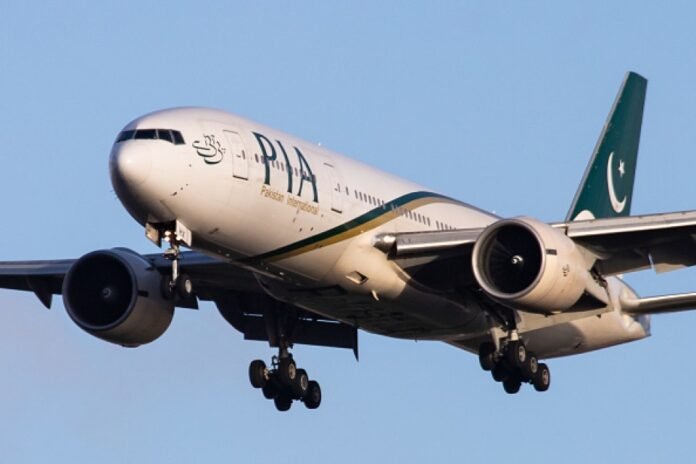
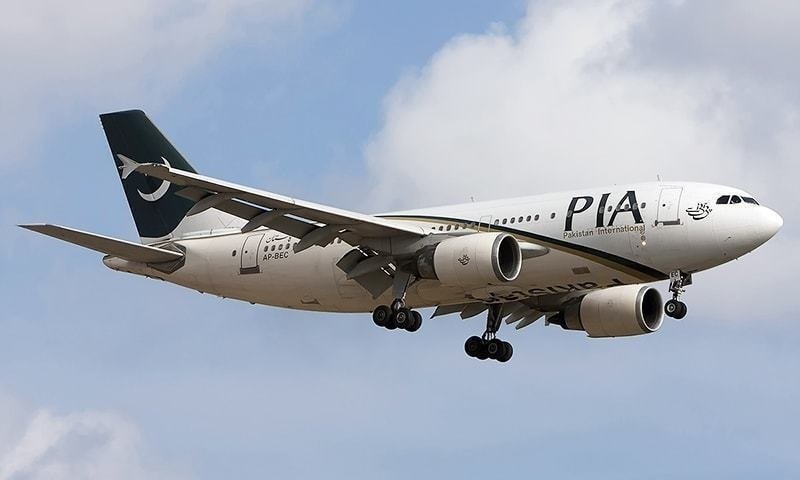
Pakistan International Airlines (PIA), once a symbol of national pride, has officially been sold after decades of financial decline. The government auctioned a 75 percent stake in the national carrier for $482 million to a consortium led by Karachi-based Arif Habib Limited. The live, publicly televised auction marked Pakistan’s second serious attempt to privatise PIA, following a failed bid in 2024. While the government called it a breakthrough, the deal has ignited intense political and public debate.
Who Bought PIA and How the Deal Works
The winning consortium includes major private players such as Fatima Fertilizer, City Schools, Lake City Holdings, and AKD Group. After the bid, Fauji Fertilizer Company (FFC)—a military-owned, publicly listed firm—also joined the group, adding a controversial dimension to the sale.
According to the government, nearly $446 million from the bid will be reinvested directly into PIA, while $36 million will go to the national treasury. The state will retain a 25 percent stake, valued at over $160 million, with the option for the consortium to buy it later.
Why PIA Had to Be Privatised
Founded in 1955, PIA once led Asian aviation and even helped establish Emirates in the 1980s. However, years of political interference, mismanagement, and mounting debt pushed the airline into crisis. Between 2015 and 2024 alone, PIA accumulated over $1.7 billion in losses, while long-term liabilities crossed $2.3 billion.
Under pressure from the IMF’s $7 billion bailout programme, Pakistan committed to selling loss-making state-owned enterprises, making PIA’s privatisation unavoidable.
Political Backlash and Public Concerns
Opposition parties, including PTI-led alliances, rejected the sale, calling it unconstitutional and lacking transparency. Critics argue that reinvesting most of the bid into PIA effectively benefits the new private owners more than the state. Others fear the airline has simply shifted from civilian control to another arm of the state due to the military-linked FFC’s involvement.
Analysts See a Necessary, Not Perfect, Deal
Economic and aviation experts told Humdard News that while the deal is unconventional, it may be the only viable option left. Analysts argue the state could no longer afford PIA’s growing losses, and private investment was essential to revive operations, protect international routes, and restore competitiveness.
What Lies Ahead for PIA
The sale ends years of uncertainty but opens a new debate about market competition, military influence, and accountability. Whether this privatisation revives PIA or reshapes Pakistan’s aviation sector remains a critical question for the months ahead.