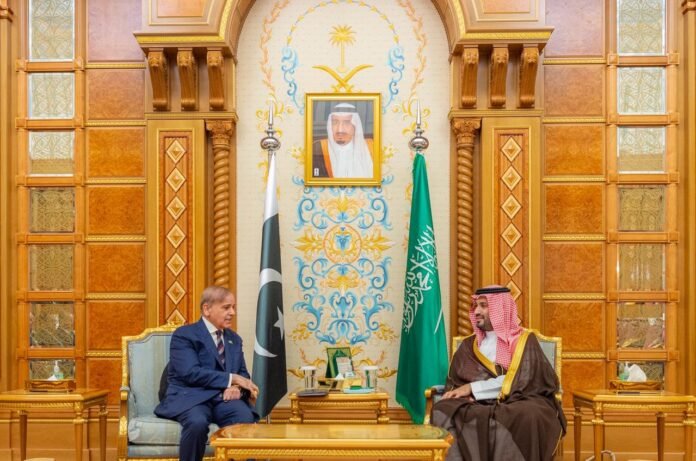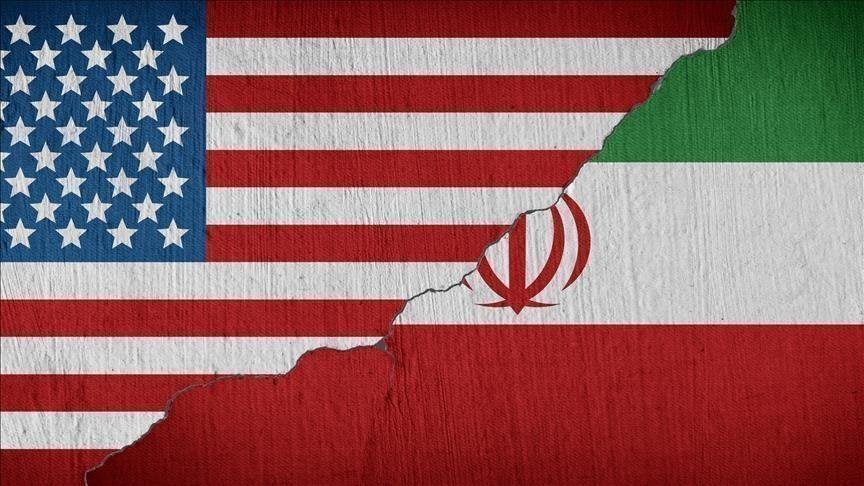
ISLAMABAD — As uncertainty looms over the next round of US-Iran peace talks in Islamabad, global attention is fixed on the core disputes driving tensions between the two rivals. With a fragile truce nearing its end, diplomatic signals remain mixed—Washington is pushing for negotiations, while Tehran refuses to engage under pressure.
This article breaks down the main points of contention between the United States and Iran, offering clarity on what’s at stake for regional stability and Pakistan’s mediation role.
Rising Tensions Ahead of Islamabad Dialogue
A US delegation led by Vice President JD Vance is expected in Islamabad, but Iran has yet to confirm participation. Meanwhile, US President Donald Trump has issued warnings, escalating pressure on Tehran.
Iran, however, maintains a firm stance: no negotiations under threats, reinforcing a long-standing diplomatic deadlock.
Uranium Enrichment: The Core Nuclear Dispute
The most critical issue remains Iran’s nuclear programme.
US Position:
- Demands zero uranium enrichment
- Seeks dismantling of Iran’s nuclear capabilities
- Proposes a 20-year suspension with sanctions relief
Iran’s Response:
- Insists its programme is peaceful and civilian
- Offers a 5-year temporary suspension instead
- Rejects complete shutdown of enrichment
Currently, Iran holds around 440 kg of uranium enriched to 60%, raising global concerns over potential weaponisation.
Strait of Hormuz: Global Energy Flashpoint
The Strait of Hormuz, a critical oil shipping route, has become a major battleground.
Key Facts:
- Handles 20% of global oil and LNG supply
- Vital for international energy markets
Conflict Dynamics:
- Iran restricted access after military strikes
- US responded with a naval blockade of Iranian ports
- Iran demands control and removal of blockade
- US insists on free passage without tolls
This dispute directly impacts global oil prices and energy security.
Security Guarantees: Trust Deficit Deepens
Both nations are demanding strong security assurances, reflecting deep mistrust.
Iran Demands:
- End to regime change efforts
- No military aggression
- Permanent ceasefire guarantees
US Demands:
- Halt attacks on Israel and US bases
- End support for regional groups like Hezbollah
This issue highlights the broader geopolitical rivalry in the Middle East.
Lebanon Conflict: A Complicating Factor
The ongoing conflict in Lebanon adds another layer of tension.
- Iran wants security guarantees for Lebanon
- US insists the issue is separate from nuclear talks
- A temporary ceasefire is nearing expiration
This disagreement complicates efforts to reach a comprehensive peace deal.
War Reparations: Iran’s Financial Demand
Iran is seeking compensation for war damages, estimated at:
- $270 billion in losses
The US has not signaled willingness to meet this demand, making it a major sticking point in negotiations.
Sanctions Relief & Frozen Assets
Economic pressure remains a central issue.
Iran’s Position:
- Immediate lifting of US sanctions
- Access to frozen financial assets
US Stance:
- Sanctions relief only after nuclear rollback
This creates a classic deadlock: compliance vs. relief.
What It Means for Pakistan and the Region
Pakistan’s role as a neutral mediator places Islamabad at the center of global diplomacy. Successful talks could:
- Reduce Middle East tensions
- Stabilize global energy markets
- Enhance Pakistan’s international credibility
However, failure could escalate conflict, affecting regional security and economic stability.
Final Analysis
The US-Iran conflict is driven by nuclear ambitions, regional power struggles, and economic pressure tactics. With multiple unresolved issues—from uranium enrichment to sanctions—any breakthrough will require serious compromise on both sides.
As Islamabad prepares to host potential talks, the world watches closely. The outcome could shape the future of global diplomacy, energy security, and peace in the Middle East.
Stay updated with HumdardNews.com for in-depth political analysis and breaking international news impacting Pakistan.
Source Dawn News