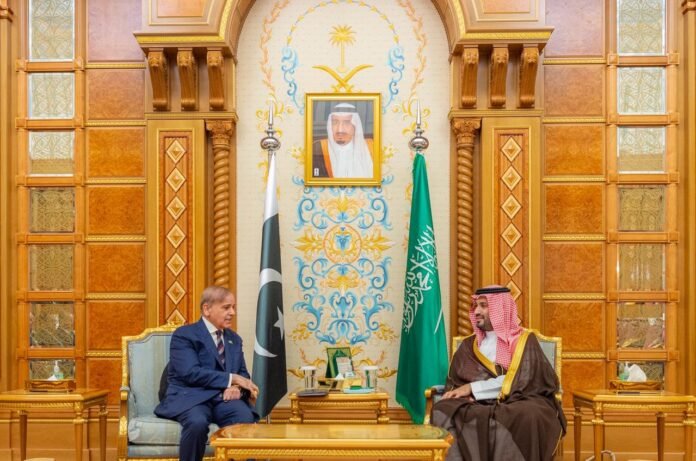
ISLAMABAD — As Pakistan steps into the global spotlight by mediating peace talks between the United States and Iran, the country is simultaneously battling a deepening economic crisis driven by rising fuel prices, energy shortages, and inflation shocks linked to the ongoing regional conflict.
From small shopkeepers to daily wage earners, the impact is visible across Pakistan’s fragile economy—raising serious questions about economic stability, energy security, and inflation control in 2026.
Rising Costs Hit Small Businesses Hard
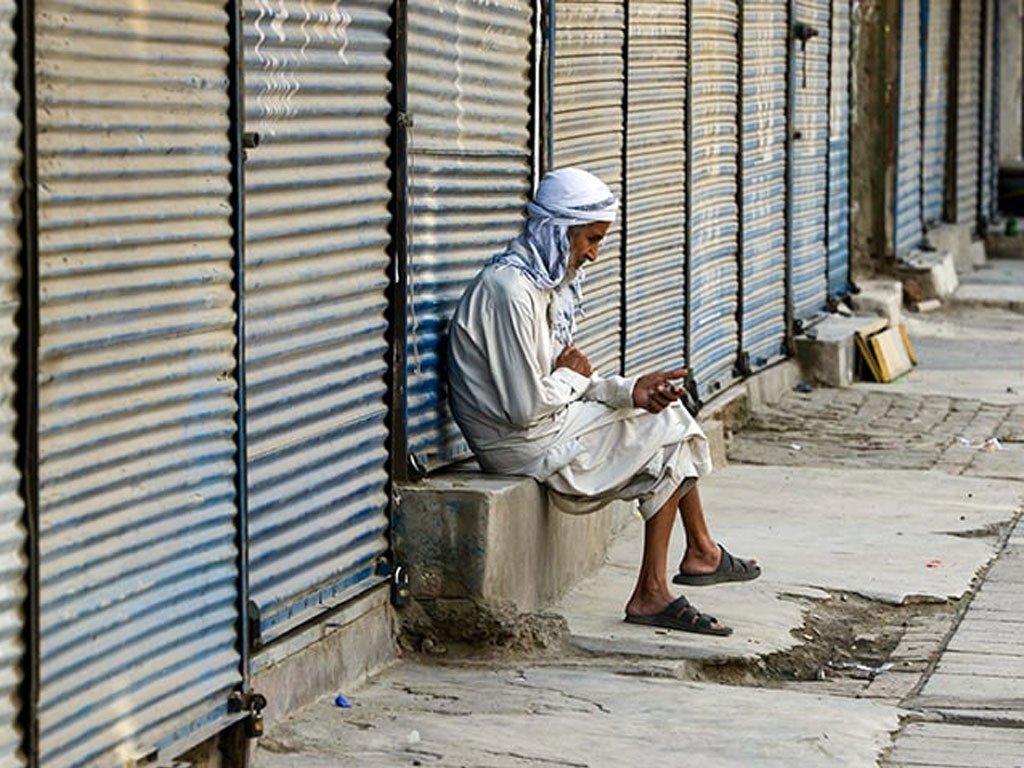
In Islamabad’s local markets, business owners are struggling to survive under mounting pressure.
Sheikh Nadeem, a bedding store owner, says the situation has become unbearable.
Due to fuel price hikes and electricity load-shedding, customer flow has dropped sharply, while operational costs continue to rise.
He explained that:
- Sales have declined significantly
- Salaries are difficult to pay
- Utility costs are eating into profits
This reflects a broader trend of small business slowdown in Pakistan, especially in urban commercial hubs.
Fuel Prices and Power Shortages Deepen Inflation Pressure
Pakistan’s economy is highly dependent on imported oil and gas, making it vulnerable to global energy shocks.
Key economic impacts:
- Petrol prices increased by over 14%
- Widespread rolling blackouts introduced
- Transport and logistics costs rising sharply
- Supply chain disruptions affecting goods pricing
Day labourers like Waqar Saleem report that even basic commodities have become expensive.
He noted that:
“When fuel prices rise, everything becomes costly—flour, sugar, vegetables, everything.”
This shows how fuel inflation directly drives food inflation in Pakistan.
Energy Crisis Becomes the Core Economic Challenge
According to economic experts, the biggest pressure point is not just inflation—but energy shortages and power disruptions.
Economist Khurram Husain highlights that:
- Electricity blackouts are damaging industries
- Productivity is declining in factories
- Household consumption is falling
This has created a cycle of low growth and high cost economy, affecting both urban and rural populations.
Pakistan’s Fragile Economic Recovery at Risk
Pakistan was slowly recovering from past financial instability, but new shocks are reversing progress.
Economic indicators:
- Inflation: 7.3% (March)
- Poverty rate: 29% of population
- IMF growth forecast cut to 3.6% for 2026
- Economy under $7 billion IMF programme
Experts warn that despite macroeconomic stability claims, real economic relief has not reached the public.
A government economic official admitted:
“Beyond stabilisation, there is no clear growth direction.”
Textile Sector & SMEs Face Major Risks
Pakistan’s textile industry, a key export sector, is expected to be one of the first major casualties of the energy crisis.
At risk sectors:
- Textile manufacturing
- Small and medium enterprises (SMEs)
- Retail and informal businesses
Higher electricity and fuel costs are reducing industrial competitiveness and export margins, weakening Pakistan’s foreign earnings.
Household Struggles: Inflation Meets Survival Economy
For ordinary citizens, the crisis has turned into a day-to-day survival challenge.
Muhammad Ahsan, a jewellery kiosk worker, describes life as “hand to mouth,” where daily earnings are spent immediately on essentials.
He warns:
“If this continues for a few more months, our business will be destroyed.”
Rising food prices, transport costs, and energy bills are pushing households deeper into financial stress.
Food Security Risks Rising
Experts also caution about future food inflation risks linked to gas and fertiliser supply chains.
- Pakistan relies on gas for fertiliser production
- Higher import costs may affect agricultural input prices
- Transport disruptions increase food distribution costs
This could lead to higher food inflation across Pakistan, affecting millions.
Diplomatic Role vs Domestic Economic Pressure
While Pakistan gains recognition for its mediating role in US-Iran peace efforts, citizens are demanding stronger focus on internal economic challenges.
Analysts argue that:
- Diplomatic success must be matched with economic reform
- Energy policy needs urgent restructuring
- Inflation control remains critical for stability
As one businessman summarized:
“Diplomacy is important, but people are being strangled economically.”
Final Outlook: A Delicate Balance Ahead
Pakistan stands at a critical crossroads—balancing its role as a regional peace mediator while managing a pressured economy struggling with inflation, energy shortages, and weak growth.
Without urgent policy measures on energy pricing, import dependency, and industrial relief, experts warn that economic recovery could face further delays.
Stay connected with HumdardNews.com for the latest updates on Pakistan’s economy, political developments, and global diplomatic affairs.