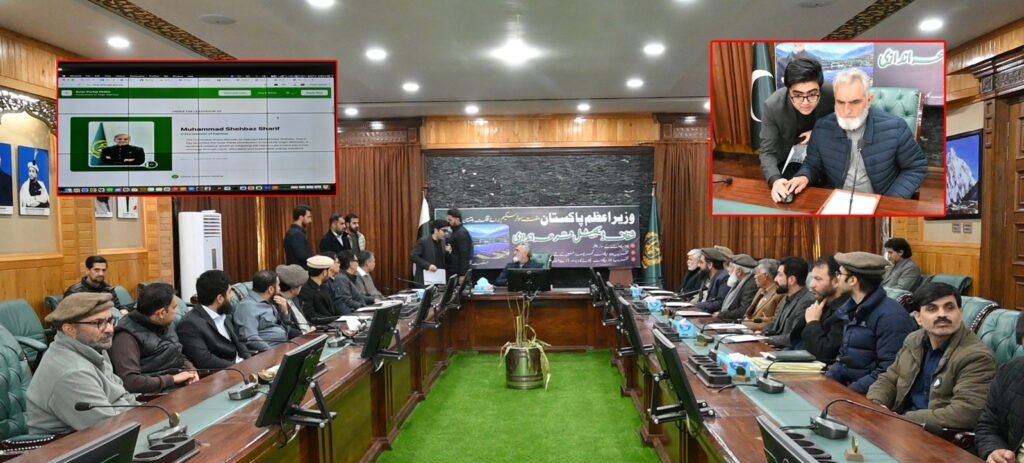
In a major push toward clean energy and transparency, Pakistan has officially launched a digital lottery system under the Prime Minister’s free solar scheme in Gilgit. The initiative aims to distribute 58 megawatts (MW) of solar power systems to households and small businesses, offering a sustainable solution to the region’s long-standing electricity crisis.
Digital Balloting: A Transparent Selection Process
The scheme was inaugurated by Yar Muhammad, who emphasized fairness through a technology-driven lottery system.
Key Features of the Digital Lottery:
- Automated and transparent applicant selection
- Equal opportunity for all registered beneficiaries
- Elimination of manual interference and bias
This digital approach reflects the government’s focus on good governance, accountability, and public trust.
توزيع (Distribution) of 58MW Solar Systems
Under the programme, solar capacity will be divided strategically:
- 40MW allocated for domestic users
- 18MW reserved for small businesses and IT sectors
This balanced distribution ensures that both households and economic activities benefit from renewable energy solutions.
Tackling Gilgit-Baltistan’s Power Crisis
Gilgit-Baltistan has long faced severe power shortages, especially during harsh winters.
Major Challenges:
- Prolonged load-shedding
- Weak grid infrastructure
- Limited access to reliable electricity
The solar scheme is designed to reduce dependency on traditional power sources and provide consistent, affordable electricity.
Solar Energy Transforming Local Communities
Solar adoption is already reshaping life in the region.
Existing Success Stories:
- Rooftop solar systems ensuring uninterrupted household power
- Solar-powered Digital Technology Hubs improving connectivity
- Lift irrigation systems supporting agriculture
- Passive solar greenhouses boosting food security
Initiatives like the ACE programme, backed by development partners, have proven that decentralised energy models can work effectively in remote المناطق.
Micro-Hydropower Adds to Energy Mix
In addition to solar, over 160 micro-hydropower plants are already operational in the region.
- Total production: 18MW
- Benefiting more than 30,000 households
This combination of solar and hydropower highlights the potential for a diversified, climate-resilient energy system.
Government’s Strategic Energy Plan
Authorities have proposed a large-scale rollout plan involving:
- 144,875 solar panels
- Total capacity of 58.8MW
- تقسیم (division) into multiple distribution streams
The plan was reviewed by the Economic Coordination Committee, ensuring alignment with national energy policies.
Financial Model and Cost Recovery
While the solar systems are provided under a “free scheme,” certain logistics costs apply:
- Transportation and handling cost: Rs240.1 million
- Initially covered by the Gilgit-Baltistan government
- Gradually recovered from beneficiaries
The Federal Board of Revenue confirmed that the solar panels, sourced under legal provisions, can be distributed with official approval.
Economic and Environmental Impact
The solar initiative is expected to deliver multiple long-term benefits:
Economic Gains:
- دعم (support) for small businesses and startups
- Growth in IT and digital services
- Job creation in renewable energy sector
Environmental Benefits:
- Reduced reliance on fossil fuels
- Lower carbon emissions
- Promotion of green energy solutions
A Step Toward Sustainable Pakistan
Officials describe the project as a milestone in Pakistan’s renewable energy transition. By combining transparency, technology, and sustainability, the scheme sets a precedent for future energy initiatives across the country.
Final Thoughts
The launch of a digital lottery for the PM’s solar scheme in Gilgit marks a turning point in addressing energy shortages through innovation and fairness. With 58MW of solar capacity set to power homes and businesses, the initiative offers hope for a brighter, more sustainable future in Gilgit-Baltistan.
If implemented effectively, this model could be replicated nationwide, helping Pakistan move toward energy independence and climate resilience.
Source tribune.com.pk
Stay connected with the latest political and development news on www.humdardnews.com