Trump’s Threat to Cut Federal Funds Sparks Legal Questions
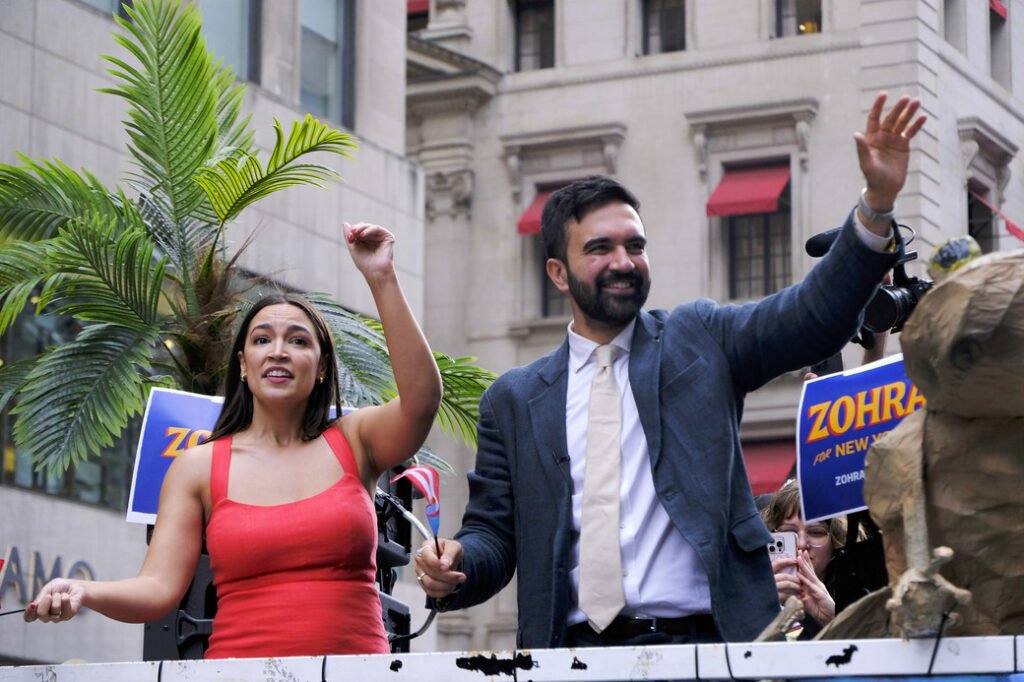
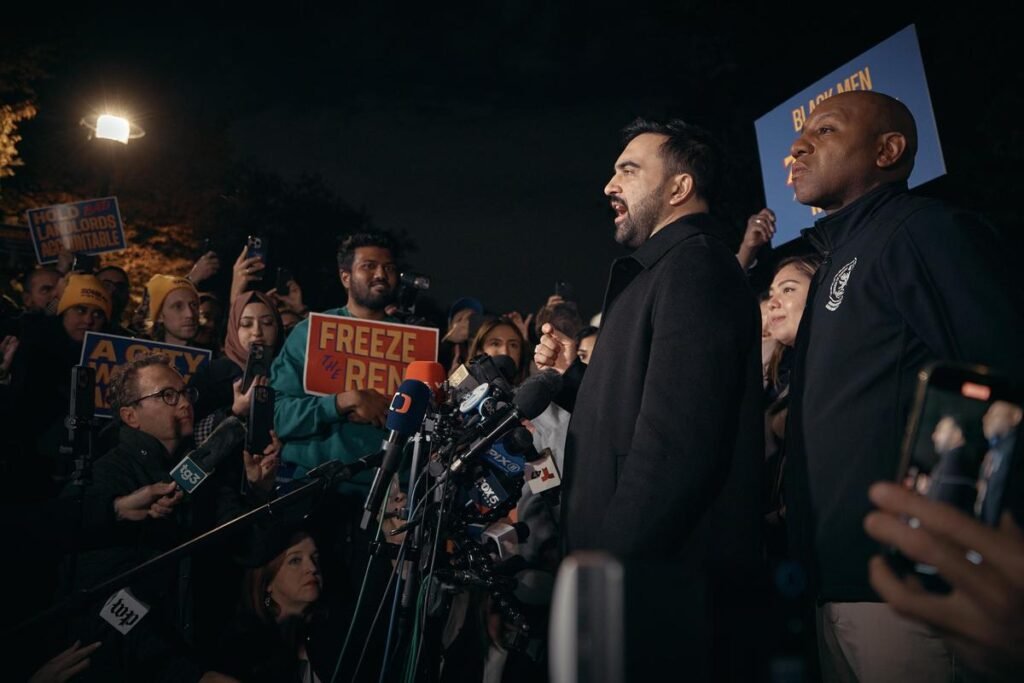
Just hours before New Yorkers headed to the polls, U.S. President Donald Trump endorsed Andrew Cuomo for mayor and warned that federal funds could be withdrawn if Democrat Zohran Mamdani secured victory. Calling Mamdani a “communist,” Trump said in a CBS 60 Minutes interview that it would be difficult “to give a lot of money to New York” under Mamdani’s leadership.
The statement caused widespread controversy, raising critical questions: Can the U.S. president actually cut off federal funding to a city based on election outcomes?
Trump’s Comments and Political Backlash
On his Truth Social platform, Trump posted that New York would face an “economic and social disaster” if Mamdani—whom he accused of being a communist—became mayor. He urged voters to support Cuomo, despite previously criticizing him as a “bad Democrat.” Ironically, Cuomo, who was once New York’s Democratic governor, ran as an independent after losing the Democratic primary to Mamdani.
Mamdani, originally from Uganda and a self-described democratic socialist, has denied being a communist. His campaign focuses on affordable housing, free childcare, and reducing transport costs—progressive policies that appeal to working-class voters but draw criticism from conservatives.
Can Trump Actually Withhold Federal Funds?
Legally, Trump’s threat holds little ground. The U.S. Constitution grants Congress—not the president—the authority to allocate federal funds. Article I, Sections 8 and 9, clearly state that no money can be withdrawn from the Treasury without congressional approval.
In fact, the Impoundment Control Act of 1974 limits the president’s power to withhold funds. Any attempt to delay or block congressionally approved spending for more than 45 days must be approved by Congress itself. In other words, Trump cannot unilaterally cut off New York’s funding without breaking the law.
New York’s Dependence on Federal Aid
According to the New York State Comptroller, the city relies on about $7.4 billion in federal funds, or 6.4% of its total budget. Most of this money supports housing and social services. A complete funding halt would severely impact these programs, though it’s unlikely to happen under current constitutional checks.
The Bigger Picture
Trump’s remarks may be politically motivated, aiming to energize conservative voters ahead of the election. But from a legal perspective, experts agree—he cannot punish a city for its political choices.