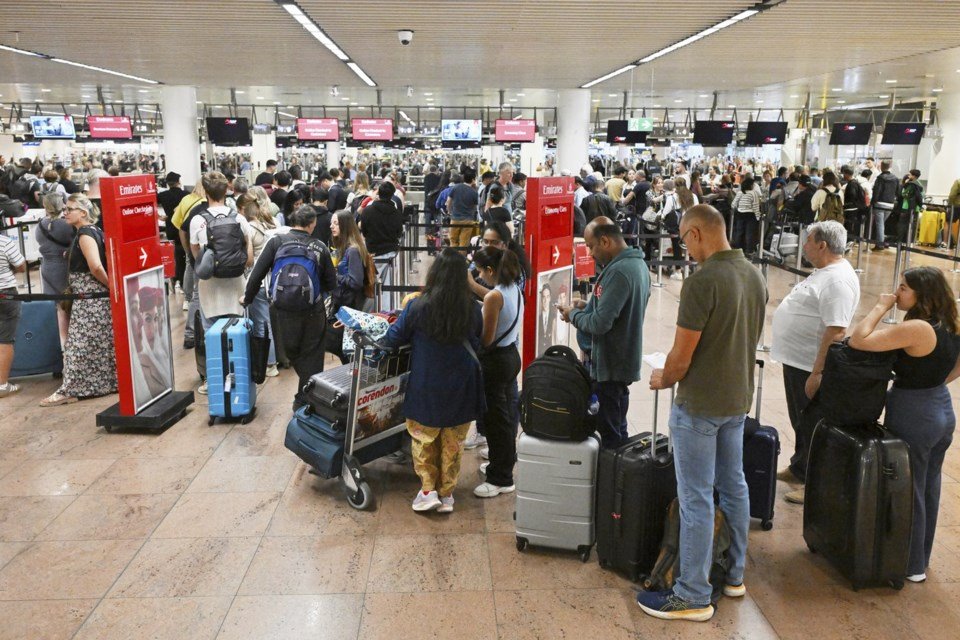
As Europe tightens border controls, Canadian travellers heading to the continent will soon face stricter entry requirements. European authorities have launched two major security initiatives aimed at improving border management, combating illegal migration, and strengthening public safety.
Modernizing Europe’s Borders with EES
The Entry/Exit System (EES) is the first step in Europe’s new digital border framework. Scheduled for full implementation by April 10, this system will electronically record non-EU nationals’ entries, exits, and refusals.
The system covers travellers visiting for short stays of up to 90 days within a 180-day period, including many Canadians who do not require visas. Using facial recognition and fingerprint scanning through electronic kiosks, EES aims to verify identities accurately and track overstays.
According to Uku Sarekanno, deputy executive director of Frontex, the European border and coast guard agency, the lack of a unified entry database had long been a gap in European security. “Irregular migration is down, but public concern remains high. These measures help restore trust in the system,” he said during a recent visit to Ottawa.
ETIAS: A New Pre-Travel Requirement for Canadians
Following EES, the European Travel Information and Authorization System (ETIAS) will roll out late next year. Similar to Canada’s Electronic Travel Authorization (eTA), ETIAS will require visa-exempt travellers to obtain online approval before entering 30 European countries.
The application will cost 20 euros and will be valid for three years or until the passport expires. Minors under 18 and seniors above 70 will be exempt from payment. Most approvals are expected to be processed within minutes, though some may take longer.
Officials emphasize that ETIAS is not a visa but a pre-screening tool that enables European authorities to assess traveller risk before departure. Even with authorization, border guards will still perform final checks at entry points.
Scam Warnings and Future Outlook
Authorities are warning travellers to be cautious of online scams posing as official ETIAS portals before the system officially launches.
Sarekanno believes the long-term goal is to create a faster, safer, and more efficient travel experience. “Implementation will take time, but once complete, it will streamline border crossings and allow officers to focus on higher-risk cases,” he said.
With these new measures, Europe is stepping into a new era of digital border security, reshaping how Canadians — and millions of others — travel across the continent.