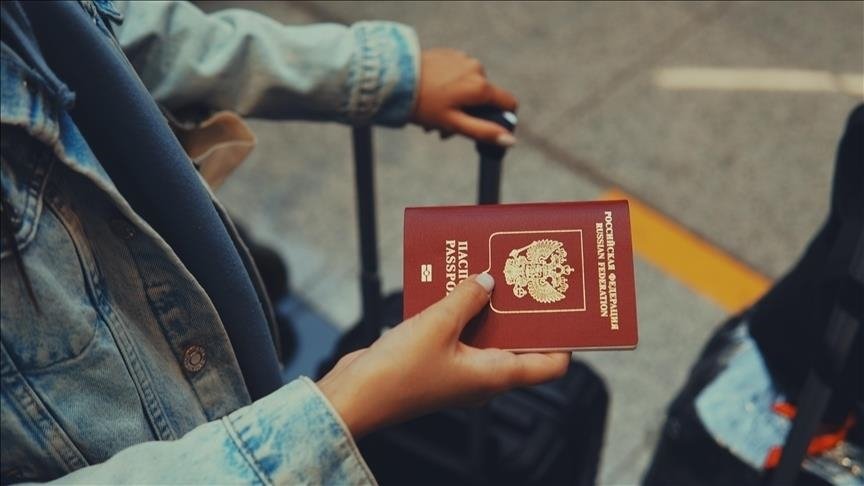
The European Commission has introduced stricter regulations on Schengen visa issuance for Russian passport holders, citing Moscow’s continued aggression against Ukraine as the main reason for the policy shift. The new measures mark another step in the EU’s growing isolation of Russia since the 2022 invasion.
Only Single-Entry Visas for Russians Residing in Russia
Under the latest rules, Russians living in Russia will now primarily receive single-entry Schengen visitor visas instead of the previously available multiple-entry ones. According to Markus Lammert, the European Commission’s spokesperson, “The new rules severely restrict the issuance of multiple-entry visas to Russian applicants, with only limited exceptions.”
These exceptions include close relatives of Russian citizens residing in the EU and family members of EU nationals. Such applicants may still be granted multiple-entry visas valid for up to one year. Additionally, transport workers can obtain multi-entry visas valid for nine months.
Special Consideration for Journalists and Activists
The Commission clarified that in exceptional cases, European countries can issue multi-entry visas to individuals whose “reliability and integrity is beyond doubt.” This category covers dissidents, independent journalists, human rights defenders, and members of civil society organizations — groups often critical of the Kremlin’s policies.
Importantly, the new visa rules are not retroactive and will only apply to new applications moving forward.
Context: Previous EU Restrictions on Russian Travelers
Following Russia’s full-scale invasion of Ukraine in 2022, the European Union suspended its Visa Facilitation Agreement with Moscow. This made obtaining short-stay visas more expensive and complicated for Russian nationals. The EU also stopped recognizing passports issued in Russian-occupied Ukrainian territories.
Moreover, Baltic states such as Lithuania, Latvia, and Estonia went further by imposing outright bans on Russian travelers entering their territories.
Rising Visa Applications Despite Sanctions
Interestingly, despite tightening restrictions, Russian citizens continue applying for Schengen visas in large numbers. In 2024 alone, over 600,000 applications were filed — a noticeable rise from around 520,000 in 2023. The overall refusal rate stood at 7.5%, according to European Commission data.
As tensions between Moscow and Brussels remain high, these new visa measures highlight the EU’s commitment to maintaining political pressure on Russia while supporting Ukraine’s sovereignty.