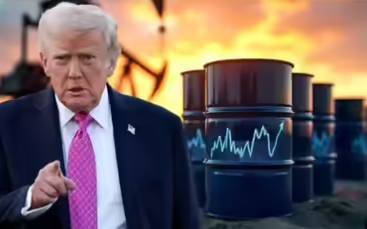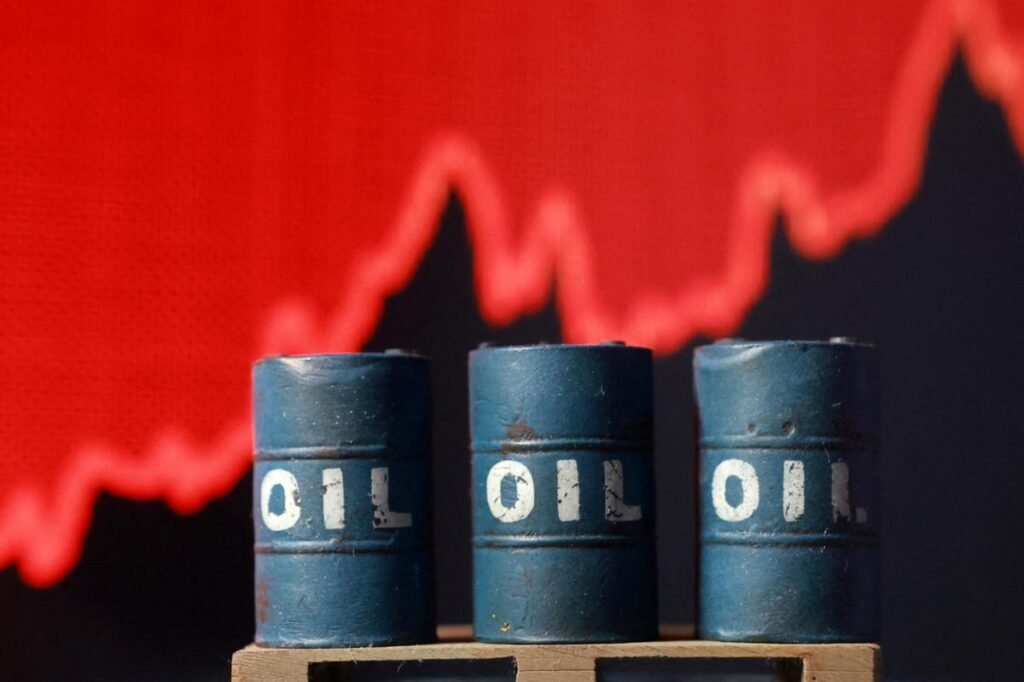
Global markets delivered mixed signals as oil prices surged sharply while stocks climbed to record highs. The latest developments come after Iran refused to reopen the critical Strait of Hormuz despite a ceasefire extension, intensifying uncertainty in the global energy market.
Oil Prices Surge Amid Hormuz Standoff
Global crude oil prices jumped over 4% as tensions escalated:
- WTI crude rose to around $96.73 per barrel
- Brent crude surged above $105 per barrel
The spike follows Iran’s decision to keep the Hormuz Strait closed as long as the US naval blockade continues, despite diplomatic efforts.
This waterway typically carries 20% of global oil and LNG supplies, making it a key driver of price volatility.
Trump Extends Ceasefire, But Tensions Persist
Donald Trump extended the Iran ceasefire to allow more time for negotiations reportedly facilitated by Pakistan.
However:
- The US naval blockade remains in place
- Iran continues to resist reopening shipping routes
- Maritime tensions are rising, with vessel seizures reported
This fragile balance between diplomacy and confrontation is keeping markets on edge.
Wall Street Defies Energy Shock
Despite rising oil prices, US stock markets showed remarkable resilience:
- S&P 500 reached a record high
- Nasdaq Composite surged with strong tech performance
- Dow Jones also posted gains
Investor confidence remains strong due to:
- Stable corporate earnings outlook
- Robust consumer spending trends
- Optimism that the crisis will be temporary
Analysts: Markets Betting on Temporary Disruption
Financial experts believe investors are pricing in a short-lived crisis.
Key insights:
- Expectation that Hormuz will reopen soon
- Limited long-term impact on global growth
- Continued appetite for risk assets
However, uncertainty remains high, and any escalation could reverse market gains quickly.
Corporate Concerns Over Rising Energy Costs
While markets are optimistic, global businesses are increasingly cautious:
- Nearly two-thirds of S&P 500 companies flagged energy risks
- Rising oil prices may lead to higher production costs
- احتمال ہے کہ قیمتوں میں اضافہ صارفین تک منتقل ہو
CEOs warn that prolonged high energy costs could impact profitability and global supply chains.
Global Market Snapshot
Positive Trends:
- US stocks hitting all-time highs
- Cryptocurrency markets gaining momentum
- Dollar strengthening amid uncertainty
Negative Signals:
- European markets declining
- Emerging markets under pressure
- Asia-Pacific stocks showing weakness
This divergence reflects a fragmented global economic outlook.
Pakistan’s Economy: A Delicate Situation
For Pakistan, the oil price surge presents serious challenges.
Immediate Risks:
- Increase in petrol and diesel prices
- Higher electricity generation costs
- Pressure on foreign exchange reserves
Broader Impact:
- Rising inflation
- Increased import bill
- Strain on economic recovery efforts
اگر تیل کی قیمتیں مسلسل بلند رہیں تو پاکستان کی معیشت پر دباؤ مزید بڑھ سکتا ہے۔
Currency & Bond Market Movements
- US dollar strengthened against major currencies
- Treasury yields edged higher amid uncertainty
- Investors balancing inflation fears vs growth expectations
These trends could influence global capital flows, impacting emerging economies like Pakistan.
مستقبل کا منظرنامہ: کیا ہوگا آگے؟
The global outlook depends heavily on:
- Resolution of US-Iran tensions
- Reopening of the Hormuz Strait
- Stability in global oil supply chains
Possible outcomes:
- Quick resolution → Oil stabilizes, markets rally
- Prolonged standoff → Oil exceeds $110, inflation rises
- Conflict escalation → Severe global economic disruption
Conclusion: Optimism vs Reality
While global stock markets are showing resilience, the surge in oil prices highlights the fragility of the current situation. Investors may be optimistic, but underlying risks remain significant.
For Pakistan, the stakes are high. Managing energy costs, stabilizing inflation, and ensuring economic resilience will be crucial in the coming weeks.
The world may be betting on a quick resolution—but until then, oil markets will continue to dictate economic direction. The source of this news is Geo.tv