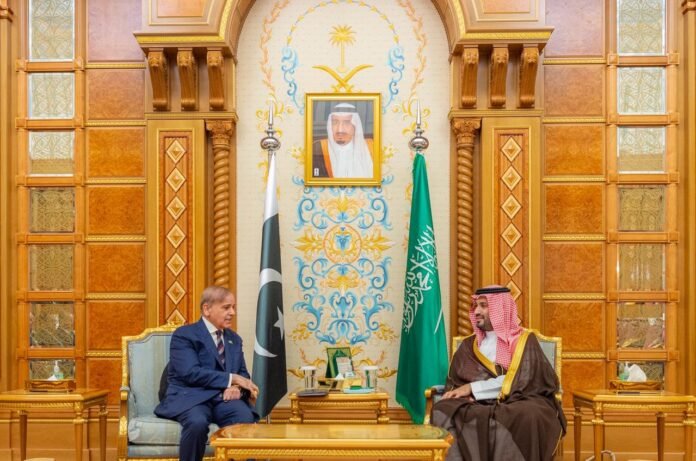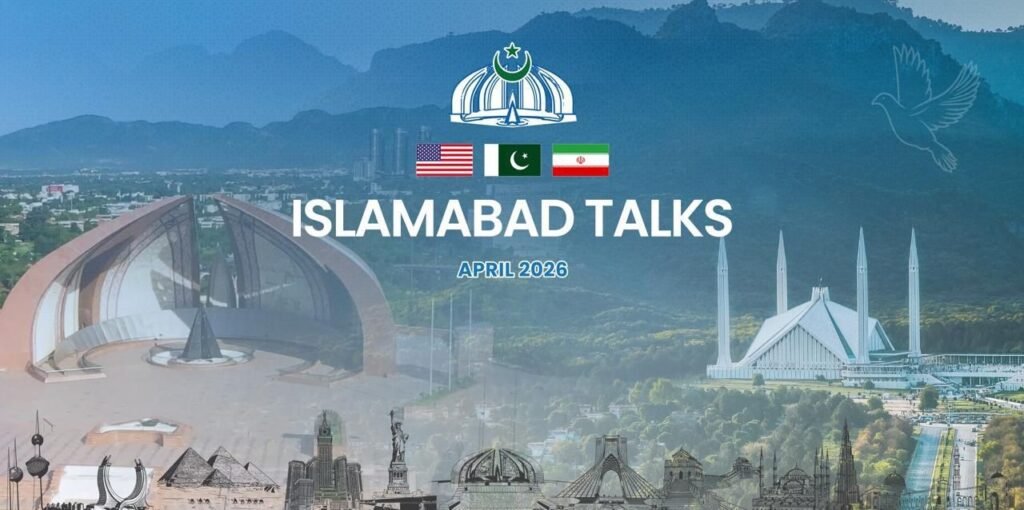
As geopolitical tensions reshape West Asia, Pakistan is no longer a passive observer. Instead, it is stepping forward as a credible diplomatic bridge, connecting rival powers and facilitating dialogue in one of the world’s most volatile regions. This strategic shift is redefining Pakistan’s global relevance and positioning Islamabad as a key player in international diplomacy.
A Changing Regional Landscape Creates Opportunity
The evolving conflict architecture involving Iran, Israel, the United States, and Gulf states has opened a rare diplomatic space. Rising tensions, shifting alliances, and fragile security dynamics have increased the demand for neutral mediators.
Pakistan has quietly entered this space—not through loud declarations, but through measured diplomacy, strategic restraint, and consistent engagement.
Pakistan’s Unique Diplomatic Advantage
What sets Pakistan apart is its rare ability to maintain working relationships with all major global powers:
- Strong historical ties with the United States
- Strategic partnership with China
- Growing cooperation with Russia
Very few countries possess this triangular trust. Pakistan’s diplomatic outreach allows it to communicate effectively with competing global actors without appearing biased. In an era of global polarization, this neutrality has become a strategic asset.
From South Asia to West Asia: A Strategic Shift
Pakistan’s geopolitical narrative is evolving beyond Afghanistan and South Asia. Under policy recalibration initiatives such as the US Integrated Country Strategy led by Donald Blome, Pakistan is now viewed through a broader lens.
This includes:
- Regional stability and peacebuilding
- Economic cooperation and trade connectivity
- Climate diplomacy and sustainable development
- Strategic engagement in West Asia and the MENA region
This transformation signals a shift from a security-centric image to a multi-dimensional diplomatic role.
Trust as Pakistan’s Strongest Currency
In a divided world, trust matters more than alliances. Pakistan has built credibility by:
- Maintaining open communication with Tehran and Riyadh
- Engaging Washington without confrontation
- Coordinating with Beijing strategically
- Expanding ties with Moscow pragmatically
This balanced diplomacy allows Pakistan to act as a neutral facilitator, capable of bridging gaps between conflicting sides.
Strength at Home Enhances Global Standing
Pakistan’s diplomatic credibility is also rooted in domestic confidence. Operations like Operation Sindoor have demonstrated the country’s strategic capability and narrative control.
This internal stability strengthens Pakistan’s external image as a reliable and capable state, ready to influence regional outcomes rather than react to them.
Growing Role in the Muslim World
Pakistan holds a unique position within the Muslim world due to:
- Strong ties with Saudi Arabia, United Arab Emirates, and Qatar
- Deep cultural, religious, and labor connections across Gulf nations
- Status as the only nuclear power in the Islamic world
As Saudi Arabia focuses inward under Vision 2030 and other regional players face limitations, Pakistan has an opportunity to emerge as a balanced voice representing both modern governance and Islamic identity.
A Middle Ground Against Extremism
Pakistan’s potential leadership lies not in promoting radical ideologies, but in offering responsible representation of conservative Muslim values. It can:
- Counter violent extremism through state-led narratives
- Promote stability while preserving religious identity
- Provide a diplomatic platform for Muslim-majority concerns
This balanced approach positions Pakistan as a stabilizing force, rather than a polarizing actor.
The Palestine Issue and Diplomatic Responsibility
The Israel-Palestine conflict remains central to Pakistan’s foreign policy. While Pakistan has consistently supported Palestinian rights, the modern diplomatic environment requires more than statements.
To stay relevant, Pakistan must focus on:
- Quiet diplomacy
- Coalition building
- Humanitarian leadership
- Strategic mediation
This shift from rhetoric to action will define its future influence.
A New Role Recognized by Global Powers
Washington’s evolving approach reflects Pakistan’s growing importance beyond counterterrorism. The focus now includes:
- Economic partnerships
- Democratic resilience
- Climate collaboration
- Regional peacebuilding
This recognition highlights Pakistan’s expanding role as a problem-solver rather than a problem-state.
The Road Ahead: Institutionalizing Diplomatic Power
To sustain this momentum, Pakistan must:
- Strengthen foreign policy institutions
- Expand economic diplomacy
- Invest in regional research and strategic planning
- Align domestic governance with global ambitions
Diplomatic relevance cannot rely on temporary crises—it requires long-term vision and consistency.
Conclusion: Pakistan’s Moment in Global Diplomacy
The shifting West Asian order presents Pakistan with a historic opportunity. By leveraging trust, neutrality, and strategic positioning, Islamabad can redefine its global image. The source of this news is Geo.tv
Pakistan is no longer just part of geopolitical discussions—it is becoming a country that brings competing powers to the same table. If managed wisely, this transformation could elevate Pakistan from a regional player to a global diplomatic powerhouse.
For readers of www.humdardnews.com, this marks a defining moment: Pakistan is not just witnessing history—it is beginning to shape it.