From Billionaire to Trillionaire: Tesla’s Record-Breaking Move
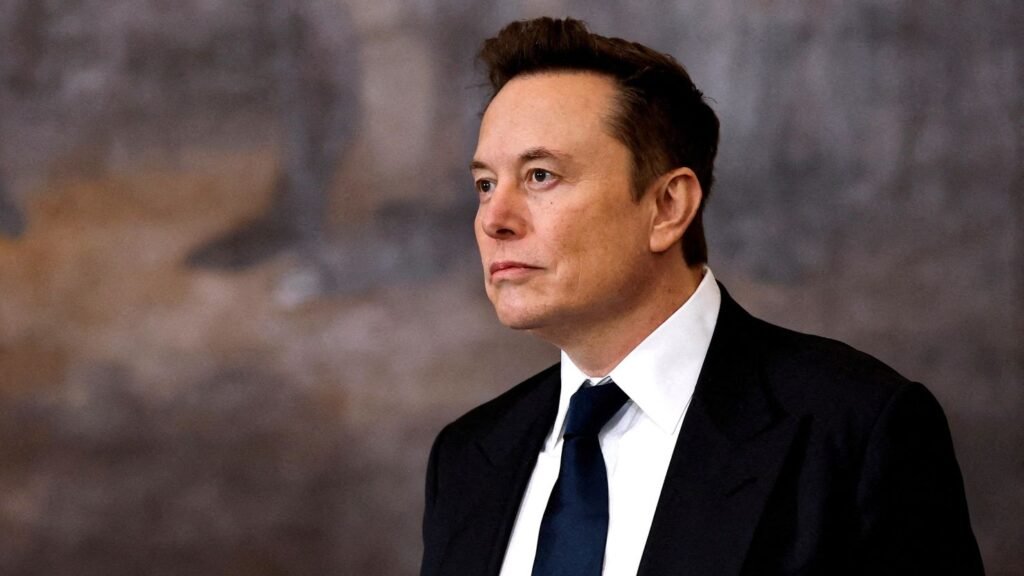
Tesla shareholders have approved an unprecedented $1 trillion pay package for CEO Elon Musk, potentially making him the world’s first trillionaire within the next decade. However, Musk must meet ambitious performance milestones, including boosting Tesla’s already massive market value by 466% — a goal many call extraordinary but not impossible.
Musk, who already boasts a net worth exceeding $475 billion, could reach a level of wealth unimaginable in human history. But what does a trillion dollars actually mean in real terms? Let’s put that staggering sum into perspective.
The Trillion-Dollar Imagination Test
A trillion dollars is a figure so enormous that it’s nearly impossible to grasp. For context, if someone spent $40 every second, it would take 792 years to exhaust $1 trillion — that’s nearly eight centuries!
So, what could Elon Musk theoretically buy with that amount?
- 1,428 Shohei Ohtanis — The baseball superstar’s $700 million contract would barely dent a trillion.
- Every car sold in the U.S. in a year — Though not a wise investment, Musk could own the entire American auto market.
- The entire Ivy League — five times over — The combined endowments of Harvard, Yale, and others total around $200 billion.
- Switzerland — With a GDP of nearly $900 billion, Musk could practically “buy” the Alpine nation.
- 465 luxury cruise ships or 2,000 Jeff Bezos yachts — A trillion stretches further than any fleet imaginable.
- Every home in Hawaii — Worth an average of $826,000 each, Musk could easily purchase every house in the state.
A Fortune Beyond Comprehension
The idea of a single person controlling a trillion dollars underscores the widening gap between corporate wealth and global inequality. Musk’s potential fortune symbolizes a new economic era where tech-driven billionaires accumulate sums beyond public comprehension.
As one economist noted, even the U.S. national debt of $38 trillion now looks smaller when compared to Musk’s potential valuation power. If wealth continues to scale like this, understanding its impact — socially and economically — will become one of the defining debates of our time.