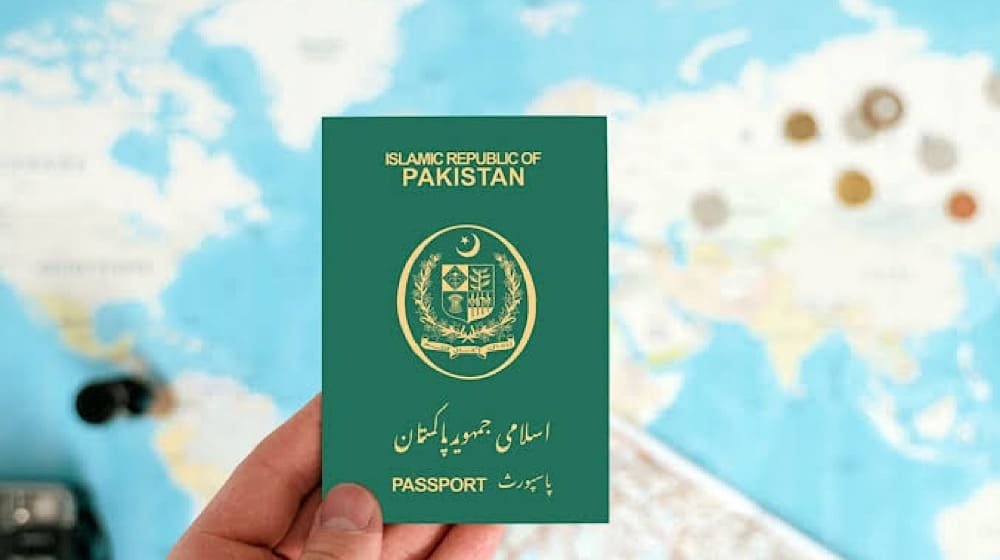
Pakistan is stepping into a new era of digital governance as authorities expand efforts to modernize the passport system. The move aims to deliver faster processing, improved transparency, and efficient public service delivery, addressing long-standing concerns around delays and manual procedures.
This initiative reflects Pakistan’s broader push toward e-governance, digital transformation, and citizen-centric services.
High-Level Review Signals Serious Reform Push
The transformation is being led by Directorate General of Immigration and Passports, where senior officials recently conducted a detailed review of ongoing reforms.
The focus of the meeting remained clear:
- Integrating advanced digital technologies
- Streamlining passport issuance workflows
- Enhancing overall administrative efficiency
This signals a strong commitment from the government to modernize one of Pakistan’s most critical public service systems.
Why Passport Digitalization Matters in Pakistan
Passport services are essential for millions of Pakistanis, especially:
- Overseas workers
- Students applying for international education
- Business professionals and travelers
The new digital system is expected to solve key issues such as:
- Long processing delays
- Lack of transparency in applications
- Inefficient manual workflows
By introducing technology-driven solutions, authorities aim to create a more reliable and user-friendly system.
Key Features of the Digital Passport Initiative
The upgraded system focuses on automation, data integration, and process optimization.
Core Improvements Include:
- Faster passport application processing
- Real-time tracking and status updates
- Reduced human error through automated workflows
- Enhanced data security and record management
These improvements align with global standards in digital identity management and public sector innovation.
Boosting Transparency & Reducing Corruption Risks
One of the major benefits of digitalization is increased transparency in government operations.
With digital systems:
- Every application step becomes traceable and accountable
- Reduced reliance on manual handling minimizes corruption risks
- Citizens gain better visibility into their application status
This supports Pakistan’s ongoing efforts to strengthen good governance and institutional trust.
Citizen-Centric Services: A New Approach
The initiative emphasizes a shift toward citizen-first service delivery.
پاکستانی شہری اب توقع کر سکتے ہیں:
- Faster response times
- Simplified application procedures
- Improved accessibility through digital platforms
This approach reflects modern governance models where user experience, accessibility, and efficiency are top priorities.
Part of a Larger Digital Transformation Strategy
Passport digitalization is not an isolated reform. It is part of Pakistan’s wider agenda to:
- Digitize public services
- Improve administrative performance
- Promote paperless governance systems
From NADRA services to online tax systems, Pakistan is gradually building a connected digital ecosystem.
Challenges Ahead: Implementation Matters
While the initiative is promising, its success depends on:
- Effective technology deployment
- Staff training and capacity building
- System reliability and cybersecurity
Without proper execution, digital reforms can face delays or user adoption challenges.
Final Takeaway
Pakistan’s expanded passport digitalization effort marks a significant step toward efficient, transparent, and technology-driven governance.
By modernizing passport services, the government aims to improve citizen experience, operational efficiency, and public trust. If implemented effectively, this initiative can become a model for digital transformation across other government departments. The source of this news is Tech Juice.
Stay updated with the latest political developments, governance reforms, and national news at www.humdardnews.com.