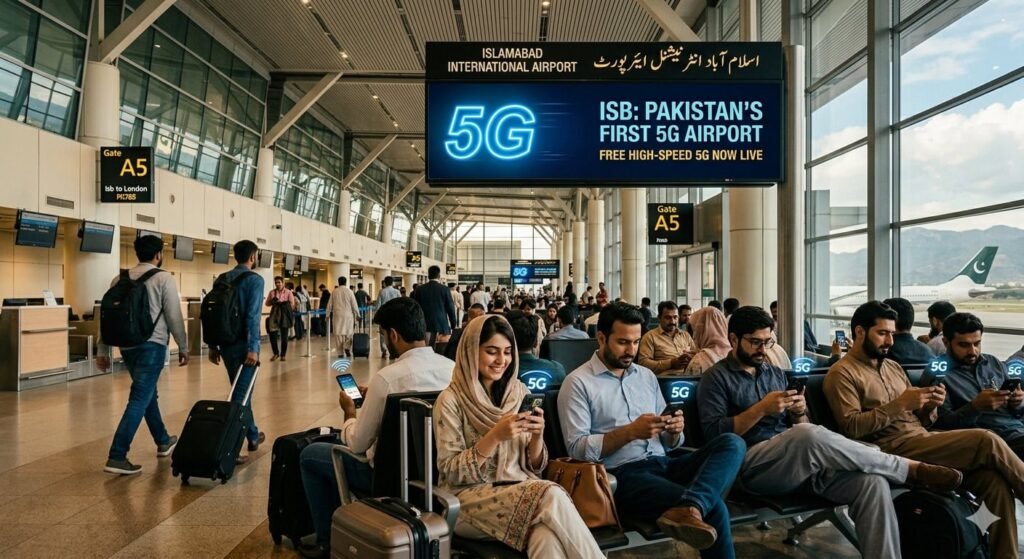
Pakistan is taking a major step toward digital connectivity and broadband expansion as the Pakistan Telecommunication Authority (PTA) rolls out district-level internet service licenses across the country. Effective from January 1, 2026, this initiative is designed to empower local entrepreneurs and boost internet penetration in underserved areas.
This move aligns with Pakistan’s long-term vision of digital inclusion, connectivity growth, and tech-driven economic development.
What Are District-Level Internet Licenses?
Under the Broadband Policy 2004, the Pakistan Telecommunication Authority has introduced Class Licenses for Internet Services at the district level.
Key Features:
- One license per district, issued to a single operator
- Validity of 10 years
- Focus on localized broadband service delivery
This model encourages small-scale ISPs and startups to enter the telecom market, improving competition and service quality.
Fee Structure & Entry Requirements
To ensure a structured and sustainable system, PTA has defined a clear licensing cost:
- Processing fee: Rs. 20,000
- Initial license fee: Rs. 300,000
- Annual fee: Rs. 100,000 (with 10% yearly increase)
License holders must:
- Launch services within one year
- Establish at least 100 active broadband connections within a year of operations
These requirements ensure active participation and service delivery, not just license acquisition.
Infrastructure & Bandwidth Guidelines
The policy outlines strict but flexible infrastructure rules to maintain service quality:
- Bandwidth must be sourced from approved providers such as Pakistan Telecommunication Company Limited or other licensed operators
- Last-mile connectivity can be obtained via telecom or cable networks approved by Pakistan Electronic Media Regulatory Authority (PEMRA)
- Operators can build their own infrastructure if existing providers fail to deliver within three months
This framework supports network expansion, infrastructure investment, and reliable internet services.
Application Status: Growing Interest Nationwide
The response from the market shows strong momentum:
- 62 applications submitted across Pakistan
- 21 licenses approved so far
- 41 applications under review
This reflects increasing interest in local ISP businesses, digital entrepreneurship, and rural connectivity solutions.
Why This Move Matters for Pakistan
This initiative has far-reaching implications for the country’s digital economy:
1. Boosts Internet Penetration
District-level licensing helps expand connectivity in remote and underserved regions.
2. Encourages Local Entrepreneurship
فتح opportunities for small businesses and tech startups in the telecom sector.
3. Strengthens Digital Infrastructure
Supports growth in e-commerce, freelancing, and online education.
4. Promotes Competition
More players in the market lead to better pricing and improved service quality.
Challenges to Watch
While promising, the initiative will require:
- Strong regulatory oversight
- Reliable infrastructure support
- Consistent policy implementation
Without these, smaller operators may face challenges in scaling operations.
Final Takeaway
The district-level licensing initiative by the Pakistan Telecommunication Authority marks a bold step toward nationwide broadband expansion and digital transformation.
By enabling local players and improving infrastructure access, Pakistan is paving the way for a more connected, inclusive, and technology-driven future. The source of this news is Tech Juice.
Stay updated with the latest political and policy developments at www.humdardnews.com.