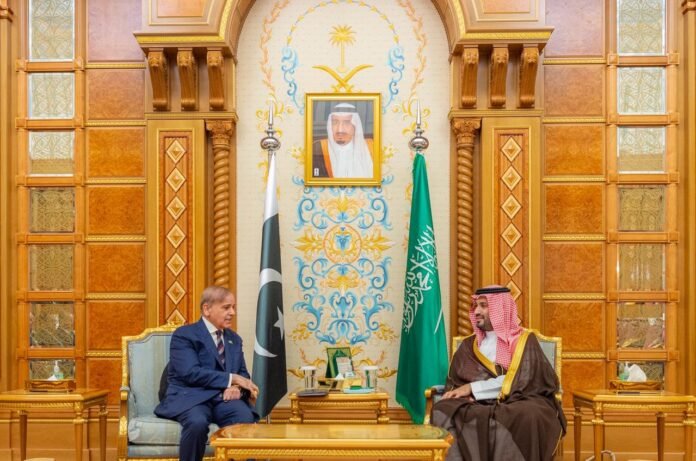
Pakistan’s economy has received a timely boost as Saudi Arabia transferred $1 billion to the country, strengthening foreign exchange reserves at a critical moment. The latest inflow marks the second tranche of a $3 billion deposit agreement, offering short-term stability as Islamabad navigates mounting external financial challenges.
Second Tranche Arrives: What Happened?
The State Bank of Pakistan (SBP) confirmed that the funds were received from the Saudi Ministry of Finance with a value date of April 20, 2026.
- $1 billion received in latest tranche
- Follows earlier $2 billion transfer
- Completes the agreed $3 billion Saudi deposit package
This development comes after high-level diplomatic engagement between Pakistan and Saudi Arabia, reinforcing long-standing economic ties.
Why This Financial Support Matters
Pakistan’s external account is currently under pressure due to multiple factors:
- Upcoming $3.5 billion loan repayment to the UAE
- Rising global oil prices increasing import costs
- Regional tensions affecting trade flows
- Limited access to international capital markets
The Saudi deposit acts as a buffer for foreign exchange reserves, helping Pakistan maintain financial stability.
Current Forex Reserves Position
As per official data:
- Pakistan’s foreign exchange reserves stood at $16.4 billion
- This covers nearly three months of imports
While this level offers some cushion, upcoming repayments and external shocks could strain reserves further.
Saudi Arabia’s Broader Financial Commitment
Beyond the $3 billion deposit, Saudi Arabia has extended additional support:
- Pledged another $3 billion in deposits
- Extended its $5 billion facility for three years
These measures reflect Riyadh’s continued role as a key economic partner for Pakistan, especially during periods of financial stress.
UAE Loan Repayment: A Key Pressure Point
Despite the positive inflow, Pakistan faces an immediate challenge:
- A $3.5 billion repayment to the UAE is due
- Earlier efforts to secure a rollover were unsuccessful
- This increases short-term financing needs
The timing of Saudi support is crucial, as it helps offset some of this outgoing pressure.
IMF Programme and Economic Stability
Pakistan’s financial framework remains tied to an ongoing stabilisation programme supported by the International Monetary Fund (IMF).
Key Focus Areas:
- Fiscal discipline
- External account management
- Structural economic reforms
The Saudi deposit aligns with IMF goals by strengthening reserves and improving liquidity.
External Risks Still Loom Large
Economic analysts warn that challenges remain:
1. Volatile Energy Markets
Higher oil prices continue to widen the import bill.
2. Geopolitical Tensions
Regional instability impacts trade routes and investor confidence.
3. Financing Constraints
Limited access to global capital markets restricts borrowing options.
These factors keep Pakistan’s external financing risks elevated.
What This Means for Pakistan’s Economy
The $1 billion inflow provides immediate relief but does not eliminate underlying challenges.
Short-Term Impact:
- Strengthens rupee stability
- Supports import payments
- Boosts investor confidence
Long-Term Outlook:
- Continued reliance on allied financial support
- ضرورة (need) for export growth and economic reforms
- Importance of sustainable external financing strategies
Strategic Importance of Pakistan-Saudi Relations
Saudi Arabia remains one of Pakistan’s most reliable economic partners.
- Provides financial assistance during crises
- Supports balance of payments stability
- Plays a key role in regional diplomacy
This latest deposit reinforces strategic economic cooperation between the two countries.
Final Analysis
Saudi Arabia’s $1 billion transfer offers Pakistan a much-needed financial cushion at a time of rising external pressures. While it strengthens reserves and provides short-term relief, the broader economic picture still demands structural reforms, export growth, and careful debt management.
As Pakistan navigates global uncertainties, sustained support from allies—combined with internal economic discipline—will be crucial for long-term stability.
Source Pakistan Today
Stay updated with Pakistan’s latest economic and political developments on www.humdardnews.com