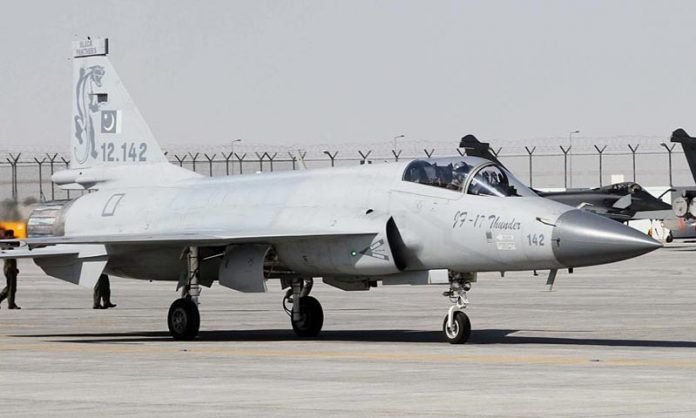
Pakistan’s defence export ambitions have hit a sudden roadblock after Saudi Arabia withdrew financial backing for a major $1.5 billion arms agreement with Sudan. The unexpected move has not only frozen the deal but also raised concerns about a broader slowdown in Pakistan’s military export strategy across Africa and the Middle East.
Why the Sudan Arms Deal Was Suspended
The agreement—focused on supplying aircraft and military equipment to Sudan—was in its final phase earlier this year. However, the deal relied heavily on Saudi financing.
Once Riyadh stepped back, Pakistan had little choice but to pause the defence contract.
Key Reasons Behind the Freeze
- Saudi Arabia reassessed its role in regional conflicts
- Growing international pressure to avoid proxy wars in Africa
- Escalating humanitarian crisis in Sudan
- Strategic shift in Red Sea geopolitics
This combination of factors led to a decisive halt in funding, effectively suspending the agreement.
Sudan Conflict: A Major Trigger Behind the Decision
The ongoing war in Sudan between the national army and the Rapid Support Forces has created one of the world’s most severe humanitarian crises.
- Thousands displaced and infrastructure damaged
- Increased foreign involvement in the Red Sea region
- Rising global scrutiny over arms transfers
Saudi Arabia’s policy shift reflects a more cautious regional approach, particularly in conflict zones where geopolitical risks are high.
Impact on Pakistan’s Defence Export Strategy
Pakistan has been actively promoting its military hardware in global markets, especially after gaining attention for its defence capabilities following tensions with India last year.
What This Means for Pakistan
- Loss of a significant $1.5 billion export opportunity
- Slower momentum in defence trade expansion
- Increased reliance on external financing partners
- Need to diversify defence buyers and funding sources
The suspension highlights how external geopolitical decisions can directly impact Pakistan’s export pipeline.
Libya Deal Also at Risk
The ripple effect of Saudi Arabia’s decision is already visible.
- A separate $4 billion defence deal with Libya is now under review
- The Libyan National Army transaction faces uncertainty
- Saudi Arabia is reassessing its broader regional commitments
This signals a wider strategic recalibration that could reshape Pakistan’s defence export prospects in Africa.
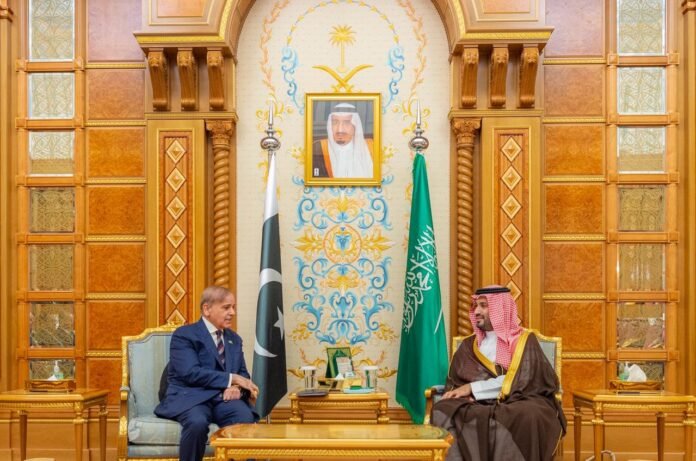
Pakistan-Saudi Arabia Strategic Ties Remain Strong
Despite the setback, Pakistan and Saudi Arabia continue to share deep strategic and economic ties.
Key Aspects of the Relationship
- Saudi Arabia provides financial assistance and loans
- Strong cooperation in defence and security
- A recent mutual defence pact strengthens military coordination
This partnership remains crucial for Pakistan’s economic stability and foreign policy alignment.
Geopolitical Shift: A Changing Regional Landscape
Saudi Arabia’s withdrawal reflects a broader transformation in its foreign policy.
- Reduced involvement in overseas conflicts
- Focus on economic reforms and stability
- Balancing global diplomatic pressures
For Pakistan, this means adapting to a new regional order where traditional allies may adopt more cautious strategies.
Challenges Ahead for Pakistan
The freeze exposes several vulnerabilities:
1. Dependence on External Financing
Large defence deals often rely on third-party funding, making them fragile.
2. Geopolitical Sensitivity
Arms exports are closely tied to international politics and conflicts.
3. Market Uncertainty
Shifting alliances can disrupt long-term agreements.
Opportunities to Rebuild Momentum
Despite the setback, Pakistan can reposition its defence export strategy:
- Explore new markets in Asia and Africa
- Strengthen direct government-to-government deals
- Enhance transparency and compliance with global standards
- Invest in indigenous defence production
These steps can help reduce reliance on external financiers and improve long-term sustainability.
Final Analysis
Saudi Arabia’s decision to withdraw funding has forced Pakistan to freeze a major arms deal with Sudan, signaling a shift in regional geopolitics and defence partnerships. While the immediate impact is negative, it also serves as a wake-up call for Pakistan to diversify its export strategy and reduce dependency on external backers.
As global dynamics evolve, Pakistan’s ability to adapt will determine its future in the competitive defence export market.
Source Pakistan Today
For more in-depth political and economic analysis, stay connected with www.humdardnews.com